The Heirloom in the Tin: Gifting Rare Teas as Enduring Treasures for the Discerning Collector

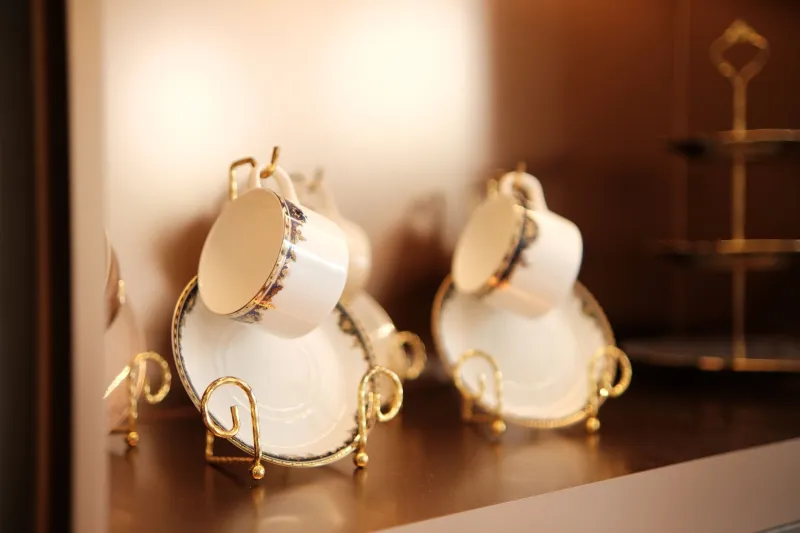
Photo by Photo by Antonio Araujo on Unsplash on Unsplash
There is a particular kind of gift that resists easy categorization — one that is neither purely functional nor merely decorative, but rather something that rewards the recipient across multiple dimensions of experience over time. Rare tea, at its highest expression, is precisely such a gift. It engages the senses immediately, deepens in meaning as knowledge grows, and in certain exceptional cases, appreciates in monetary value as years pass and supply diminishes. For the patron who has, by every conventional measure, everything, the gift of an extraordinary tea is an offering of something genuinely difficult to acquire: irreplaceable rarity.
Why Tea Has Entered the Collector's Lexicon
The notion of tea as a collectible asset is not a contemporary invention. In imperial China, compressed cakes of aged pu-erh were stored alongside silk and jade as instruments of wealth storage. Emperors received tribute teas of such specificity — harvested from singular trees, processed by named artisans, presented in lacquered containers — that the leaves themselves carried dynastic significance. What is new is the degree to which this sensibility has arrived, fully formed, in the American luxury market.
Over the past decade, auction records for aged pu-erh cakes, vintage Darjeeling first flushes, and hand-rolled Taiwanese high-mountain oolongs have drawn comparisons to fine wine and single malt whisky in terms of year-over-year appreciation. A 1990s-era Menghai Factory pu-erh cake that sold for several hundred dollars a decade ago now commands multiples of that figure at dedicated tea auctions in Hong Kong and, increasingly, through American collectors' networks. The underlying dynamics — finite supply, growing demand from a newly affluent global collector class, and the irreversibility of time — mirror those that have driven collectible markets across categories for generations.
Selecting a Gift of Consequence
For the gift-giver approaching this category for the first time, the landscape can appear simultaneously vast and opaque. Certain principles, however, provide reliable orientation.
Provenance above all else. The single most important attribute of a collectible tea is the verifiability of its origin. Where was it grown? On which specific estate, garden, or ancient grove? Who processed it, and under what method? A tea whose provenance is fully documented — ideally accompanied by harvest records, estate certification, and chain-of-custody documentation — carries both greater intrinsic value and greater gift-giving significance. It is the difference between presenting a bottle of wine with a known vintage and vineyard versus an anonymous table blend.
Scarcity as a defining virtue. The most coveted teas are those produced in quantities so limited that acquisition requires either long-standing relationships with estate operators or participation in competitive allocation programs. Single-tree teas from ancient Yunnan arbors, for instance, may yield fewer than two pounds of finished leaf per harvest. First-flush lots from boutique Darjeeling gardens — Makaibari, Singell, Goomtee — are frequently pre-sold to dedicated buyers before the season concludes. When a gift derives from such a source, the recipient understands immediately that what they hold is not merely expensive but genuinely irreplaceable.
Age as transformation. Properly stored aged teas — particularly pu-erh and certain heavily oxidized oolongs — undergo a metabolic transformation over years and decades that fundamentally alters their flavor profile. A well-aged pu-erh develops notes of forest floor, dried plum, and aged leather that younger leaves cannot approximate. For the collector-minded recipient, an aged tea represents not only a present-tense sensory experience but a window into a specific historical moment — a harvest from a year that no longer exists, preserved in leaf form.
The Etiquette of Extraordinary Presentation
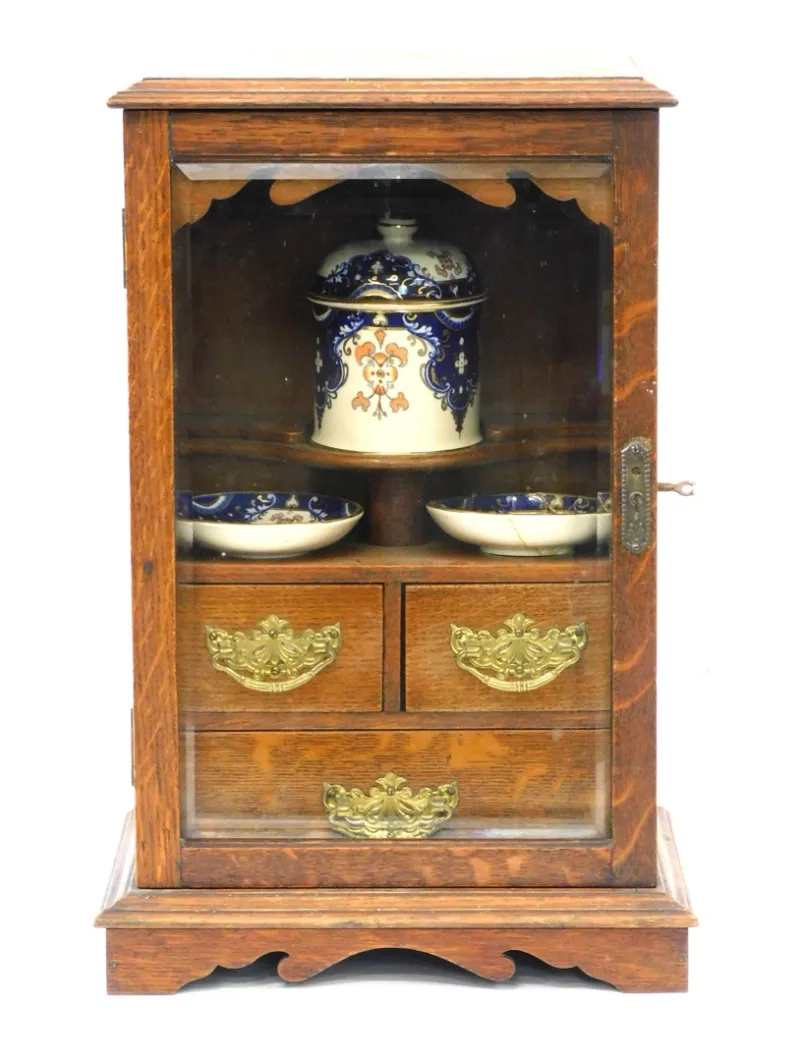
The vessel in which a rare tea is presented carries its own communicative weight. At the highest tier of tea gifting, presentation cases crafted from lacquered wood, hand-carved bamboo, or archival-quality paulownia boxes serve not merely as packaging but as objects of display in their own right. Several specialist craftsmen in Kyoto and Jingdezhen produce bespoke tea storage containers that are themselves valued as art objects — a consideration not lost on recipients whose homes already contain serious collections of ceramics or decorative objects.
For the American gift-giver, a number of domestic luxury retailers and direct-import specialists offer curated presentation packages that pair rare teas with appropriate brewing vessels — a vintage Yixing teapot whose clay composition complements a specific pu-erh, or a hand-blown glass gaiwan suited to a delicate white tea. The coherence of the ensemble communicates connoisseurship on the part of the giver and provides the recipient with everything necessary to engage with the gift immediately and correctly.
Handwritten provenance notes — a brief description of the estate, the harvest season, the specific lot number, and any available tasting notes from the producer — elevate a tea gift from luxurious to genuinely scholarly. Several private estates will provide signed letters of authentication upon request, a detail that adds both monetary documentation and personal narrative to the gift.
Teas That Have Demonstrated Appreciating Value
While no investment in a consumable commodity carries guarantee, certain categories have demonstrated consistent appreciation over sustained periods.
Aged sheng (raw) pu-erh from reputable factories — Menghai, Xiaguan, and CNNP among them — produced before the early 2000s has appreciated substantially as global collector interest has expanded. Da Hong Pao oolongs from the original mother bushes on Wuyi Mountain exist in quantities so infinitesimal that they are effectively priceless; commercial Da Hong Pao, while derived from cuttings, still commands premiums that have risen steadily. Vintage Darjeeling first flushes from estates with documented records represent another category where scarcity and provenance intersect to produce consistent value retention.
For the domestic market, early-production lots from pioneering American estates — South Carolina's Camellia Sinensis plantings, Hawaii's first commercially produced oolongs — carry a historical significance that is only likely to increase as American tea culture matures and these founding harvests recede further into documented history.
A Gift Beyond Occasion
The most enduring gifts are those that continue to reveal themselves over time — objects or experiences that deepen in meaning as the recipient's knowledge and appreciation grow. A rare tea, properly selected and presented, does precisely this. It may be opened immediately, savored in a single extraordinary session, and its memory carried forward. Or it may be stored with care, observed as it transforms across seasons, and eventually shared at a moment of singular significance. In either case, what the giver has offered is not simply a luxury product but a relationship with time, place, and the quiet alchemy of the extraordinary leaf.