A New Language at the Table: Pairing Luxury Teas with Every Course of a Fine Meal
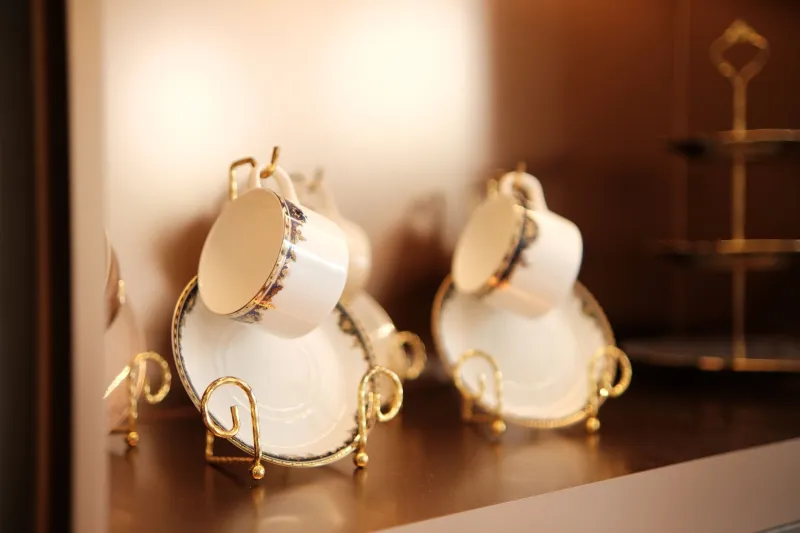
For generations, the conversation around beverage pairing at the American fine dining table began and ended with wine. Sommeliers built entire careers around the marriage of grape and plate, and the ritual carried an undeniable prestige. Yet something is shifting in the country's most distinguished restaurants — a quiet, deliberate evolution that places a hand-fired porcelain cup at the center of the experience. Premium tea, once relegated to the breakfast sideboard or the afternoon drawing room, is now earning its place alongside tasting menus at establishments from Napa Valley to Manhattan's Upper West Side.
The transformation is not accidental. It is the result of a generation of culinary professionals who have studied tea with the same rigor once reserved for viticulture, and who understand that a Silver Needle white tea or a roasted Taiwanese oolong possesses a complexity of flavor — floral, mineral, savory, smoky — that can elevate a dish rather than merely accompany it.
Why Tea Belongs in the Pairing Conversation
The fundamental logic of food and beverage pairing rests on contrast and complement: a beverage either mirrors a dish's dominant characteristics or introduces a counterpoint that heightens the overall sensory experience. Tea, it turns out, is extraordinarily well-suited to both strategies.
Consider the tannin structure of a first-flush Darjeeling from the Makaibari estate. Its muscatel brightness and gentle astringency function much as a crisp Champagne might — cutting through richness, refreshing the palate, and preparing the diner for what follows. Conversely, the deep, roasted earthiness of a premium Wuyi Rock oolong can serve as a bridge to the umami notes of an aged cheese course, in the same way a structured red wine might.
Chef Marcus Ellery, formerly of a two-Michelin-starred kitchen in San Francisco and now consulting for several luxury resort properties, has incorporated a dedicated tea pairing menu into his tasting experiences. "The range of flavor compounds in high-quality tea is genuinely staggering," he notes. "When I work with a Jin Jun Mei black tea, I'm thinking about its cocoa undertones, its honey finish, its slight smokiness. Those are real flavor elements I can build a dish around, just as I would with a wine's oak profile."
A Course-by-Course Framework
For those seeking to introduce tea pairing into their own refined entertaining, a structured approach by course provides the clearest pathway.
Amuse-Bouche and First Course
The opening moments of a meal call for delicacy. Light, high-quality green teas — a ceremonial-grade Japanese Gyokuro or a premium Chinese Longjing (Dragon Well) — are ideal companions to raw preparations, chilled seafood presentations, and vegetable-forward bites. Their clean, vegetal sweetness and low astringency allow the subtlety of an oyster or a cucumber-dill amuse to register fully on the palate without competition.
Soup and Intermezzo
Consommés, bisques, and velouté preparations benefit from teas that share their clarity. A high-grade white tea such as Bai Hao Yinzhen — Silver Needle — brewed at a precise 170 degrees Fahrenheit offers a luminous, almost broth-like quality that harmonizes beautifully with delicate broths and cream-based soups alike. Its subtle honeyed finish provides a gentle counterpoint to the savory depth of a truffle consommé.
Fish and Shellfish
Here, the pairing philosophy draws closest to the white wine tradition. Lightly oxidized oolongs — particularly a high-mountain Taiwanese Alishan — carry a floral, buttery character that mirrors the texture of seared scallops or butter-poached lobster. Their mineral backbone echoes the oceanic quality of the dish without overwhelming it.
Meat and Game
This is the course where many diners assume tea cannot compete. They are mistaken. A fully oxidized, aged Yunnan Dian Hong, with its malty depth and notes of dried fruit and dark chocolate, stands alongside braised short rib or roasted venison with remarkable authority. For those serving game birds, a lightly smoked Lapsang Souchong — used judiciously, as its campfire intensity demands respect — creates a theatrical pairing that guests invariably remember.
Cheese Course
Aged and washed-rind cheeses, with their pronounced funk and salt, find an unexpected partner in aged pu-erh. A well-stored shou (ripened) pu-erh from a reputable Yunnan producer develops notes of dark earth, dried mushroom, and subtle sweetness that mirror the complexity of an Époisses or a well-aged Comté. This pairing, increasingly featured at specialty cheese bars in cities like Chicago and New York, has become something of a calling card for adventurous hosts.
Dessert and Petit Fours
The final act demands elegance. A Japanese hojicha — roasted green tea with caramel and toasted grain notes — pairs magnificently with dark chocolate preparations, crème brûlée, and almond-based pastries. For lighter fruit-forward desserts, a high-quality white peony (Bai Mu Dan) introduces a fresh, floral counterpoint that prevents the sweetness from becoming cloying.
Bringing the Practice Home
The principles that guide professional tea pairing are entirely accessible to the home entertainer. The most important investment is not in equipment but in quality: sourcing teas from reputable, estate-specific producers ensures that the complexity required for meaningful pairing is actually present in the cup.
Brewing temperature and steeping time are equally critical. A green tea brewed at boiling point will turn bitter and acrid, destroying any pairing potential. Most premium tea retailers — including those specializing in single-origin and heritage estate selections — provide precise brewing parameters that should be followed with the same care one would give to a fine bottle of wine.
Presentation, too, carries weight at the luxury table. Serving tea in fine porcelain, using a dedicated tea vessel for each variety, and introducing each cup to guests with a brief note on its origin and flavor profile transforms the ritual into an experience — one that speaks to the same values of provenance and craftsmanship that define great wine service.
The Future of the Pairing Table
Several of America's most forward-thinking dining establishments are already offering dedicated tea pairing menus as alternatives to their wine programs — a development that speaks not only to changing tastes but to a growing appreciation for the depth and diversity that premium tea brings to the table. As awareness of tea's full potential continues to expand among culinary professionals and discerning home hosts alike, the cup is steadily claiming the place it has always deserved: at the very center of the finest meals.