The Uninsured Leaf: Why Your Tea Collection May Be Your Most Exposed Asset
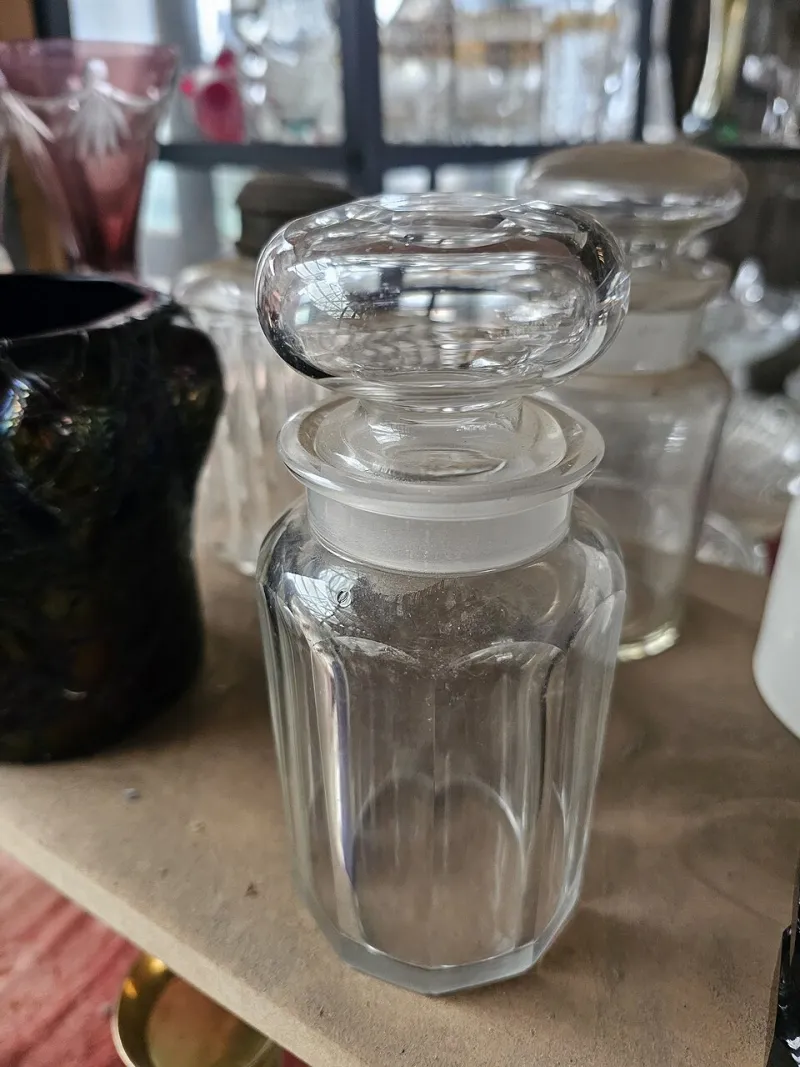
Photo: Tess Mattew, CC BY-SA 4.0, via Wikimedia Commons
A collector in the Pacific Northwest recently attempted to add a temperature-controlled cabinet of aged raw puer to an existing personal-articles rider. The broker's first question was whether the contents were technically food. The second was whether the collection had ever been appraised. Neither question had a clean answer, and the policy was ultimately written around the collection rather than for it. The episode is not unusual. It is, in fact, the standard experience of Americans who have quietly accumulated tea worth more than the jewelry in the next room.
A Policy Written for Silverware, Not Sheng Puer
Standard homeowners coverage is not indifferent to valuable property, but it is calibrated to categories insurers understand. Jewlery, silver, furs, and fine art each carry established appraisal conventions, stable secondary markets, and decades of claims history. Rare tea carries none of these. It is a perishable agricultural product with a secondary market, a speculative primary market, and an appraisal profession still in its adolescence.
The result is a coverage gap that most collectors discover only after a loss. Typical homeowners policies cap certain categories at modest sublimits, and spoilage is frequently excluded outright. Even when a rider is available, underwriters often ask for documentation that few tea collections possess: receipts tied to identifiable lots, photographs of storage conditions, and an independent valuation prepared by someone the insurer recognizes as qualified. In tea, that last requirement is where the conversation stalls.
What an Appraisal Actually Establishes
Fine art appraisers work within recognized credentialing frameworks and standardized reporting. Tea has no equivalent governing body, which means valuations are assembled from adjacent evidence: auction comparables, private-sale records, retailer replacement quotes, and the appraiser's own familiarity with the lot's provenance. A serious report will distinguish between fair market value, replacement cost, and liquidation value, and will state plainly which one it is estimating.
For collectors, the practical advice is to insist on comparables rather than adjectives. A valuation of a 2003 production cake should reference verifiable transactions, not reputation. Where no comparable exists, the appraiser should say so. Insurers are far more comfortable with an honest range than with a confident number that cannot be defended in a claims file.
The Three Perils That Break the Standard Policy
Humidity, and the claim that takes a year to discover
Mold, wrapper staining, and slow moisture intrusion do not announce themselves. By the time a collector identifies damage, the causal event may fall outside a policy's notice window. Coverage drafted for sudden and accidental loss fits poorly against a peril that develops over eleven months in a closet in Houston.
Transit
Shipping a high-value lot across state lines exposes the collector to a different policy architecture altogether. Fine art floaters and inland marine forms are the appropriate instruments, and they require that the shipper's packing standards be documented in advance. A carrier's declared-value limit is not the same thing as insurance, a distinction that becomes expensive at the moment of a cracked yixing pot or a water-damaged crate.
Spoilage and mechanical failure
A compressor failure in a storage unit is a mechanical breakdown. The tea ruined inside it is spoiled food. Many policies will pay for one and not the other. Collectors who rely on active climate control, which is nearly all of them, should confirm in writing that loss of refrigeration or climate-control failure is a named peril rather than an inference.
Agreed Value Beats Replacement Cost
For appreciating, illiquid assets, replacement cost is a poor instrument. It asks what it would cost to buy equivalent tea today, which assumes equivalent tea is available. For single-lot productions and discontinued years, it is not. Agreed-value coverage, in which the insurer and collector fix a value at policy inception and revisit it annually, avoids the argument entirely. It costs more and requires discipline, but it converts a contested claim into a scheduled one.
The Claim Is the Documentation
Insurers do not pay for tea. They pay for evidence that tea existed, in a stated condition, at a stated place, at a stated time. A working file typically includes purchase documentation with lot numbers, a current inventory with weights and storage locations, dated photography of wrappers and seals, and a log of storage conditions. Collectors who maintain this file treat it as a curatorial record rather than an insurance chore. The distinction matters at renewal, when underwriters reward it with better terms.
Questions Worth Asking a Broker
Ask whether the policy covers spoilage as a named peril. Ask whether climate-control failure is included. Ask whether transit is covered door to door or only between commercial addresses. Ask what documentation the claims department would require and in what timeframe. Ask whether the schedule values are agreed or estimated. Ask, finally, whether the broker has placed a tea collection before. The answer to that last question will shape every preceding one.
The Quiet Conclusion
The American rare tea market has spent a decade professionalizing its sourcing, its authentication, and its tasting standards. Its risk management has not kept pace. For collectors whose holdings now rival their jewelry in value, the gap is not an abstraction. It is a line item waiting to be discovered at the worst possible moment.