Signed, Sealed, Steeped: The Quiet Rise of the Private-Label Tea Commission
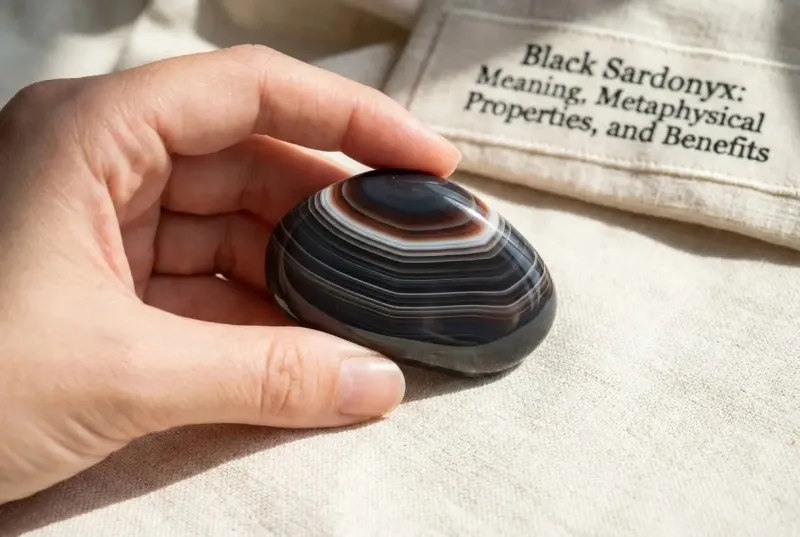
Photo: elegant tea tasting flight porcelain cups private blending, via cdn.shopify.com
There is a particular moment in the life of a serious collector when acquisition stops satisfying. The cellar is deep, the auction alerts are routine, and the pleasure of securing a celebrated lot begins to fade into the mild fatigue of someone who has bought everything on the list.
It is at that moment that a different kind of conversation begins — not about which tea to buy, but about which tea does not yet exist.
From Collecting to Commissioning
The private-label tea commission is still a niche within a niche, but it is growing quickly enough that several specialty retailers and independent tea sommeliers now maintain waiting lists for it. The proposition is straightforward: rather than selecting from what a garden produced, a client works with a blender, importer, or estate to create a tea that exists in quantities measured in kilograms and is owned outright.
The result is not simply a house blend. It is a small, documented, unrepeatable object — usually produced in a single run, often numbered, and rarely offered for sale anywhere.
Who Commissions a Tea
The client profile is narrower than the luxury market at large. In practice, three types recur.
The first is the committed collector whose palate has become specific enough to be prescriptive — someone who knows they prefer the mineral edge of a particular mountain and wants it amplified, not balanced away.
The second is the entertainer. A household that hosts frequently and formally often finds that a signature pour does more conversational work than another vintage ever could. A tea served at the end of a long dinner, unavailable anywhere else and carrying the host's own name, is a memorable close to an evening.
The third is the family. A small but meaningful share of commissions are commissioned as heirlooms — a blend tied to a wedding, a founding, a move, or a name, produced in enough quantity to be served at anniversaries and passed down rather than consumed.
How the Process Actually Works
A serious commission runs four to nine months and begins with a palate interview rather than a catalogue. The blender will typically taste the client through a structured flight — a dozen or more reference teas chosen to locate preferences on axes of oxidation, roast, body, aroma, and finish.
From there, the work turns technical. If the client's direction requires a specific base, the blender may secure leaf directly from a garden, sometimes to a specification the estate has not produced before: a particular cultivar, a defined oxidation level, an adjusted bake. Blending follows, usually across ten to thirty iterations, with samples shipped for tasting at each stage.
Final approval is typically conducted blind, with the client tasting the candidate alongside reference teas rather than in isolation. The chosen version is then produced, rested, and packed — often in numbered tins with a printed commission card recording the garden, the season, and the client's name.
What It Costs
Pricing varies enormously with the base material and the volume. Commissioned blends built on accessible leaf and conceived for everyday household service begin in the low four figures for a run of a few kilograms. Commissions anchored in scarce single-garden material, or requiring the estate to reserve a portion of a small harvest, move into five figures without difficulty, and a handful of commissions involving pre-allocated old-tree material have reportedly exceeded that.
There is also a cost that is not financial: time, and a willingness to be wrong repeatedly before the blend settles.
A Signature Without a Label
The appeal is partly social and rarely stated outright. In circles where everyone can buy the same rare lot, owning something that cannot be bought carries a different valence. It is a status signal calibrated for people who no longer find conspicuous labels persuasive — legible only to guests who understand what they are drinking and how unlikely it is that they will encounter it again.
That discretion is the point. A private blend announces nothing to the room. It rewards the guest who asks.
The Risks of Getting Personal
Bespoke work is not without hazards. A client with strong opinions and limited tasting experience can steer a blend into something technically distinctive and genuinely unpleasant; good blenders push back, and clients who resent being contradicted tend to produce worse tea.
There is also the question of longevity. A blend built for a particular moment — a season, a menu, a decade of entertaining — may not age gracefully, and collectors should be candid with their blender about whether the tea is intended for service or for storage.
Finally, exclusivity cuts both ways. A commission that consumes an estate's small remaining stock can leave the client with a tea they love and cannot replace. Many find this thrilling. Others find it sobering.
The Cup With Your Name On It
Bespoke tea remains an unusual commission, and the best versions are not the most elaborate. They are the ones in which a client's actual preferences, honestly examined, are translated into leaf with precision.
The result is modest in scale and considerable in meaning: a few kilograms of tea that will never be made again, served at a table where it is understood.