Cellar or Cup? The Expensive Mistake Collectors Keep Making With Rare Tea
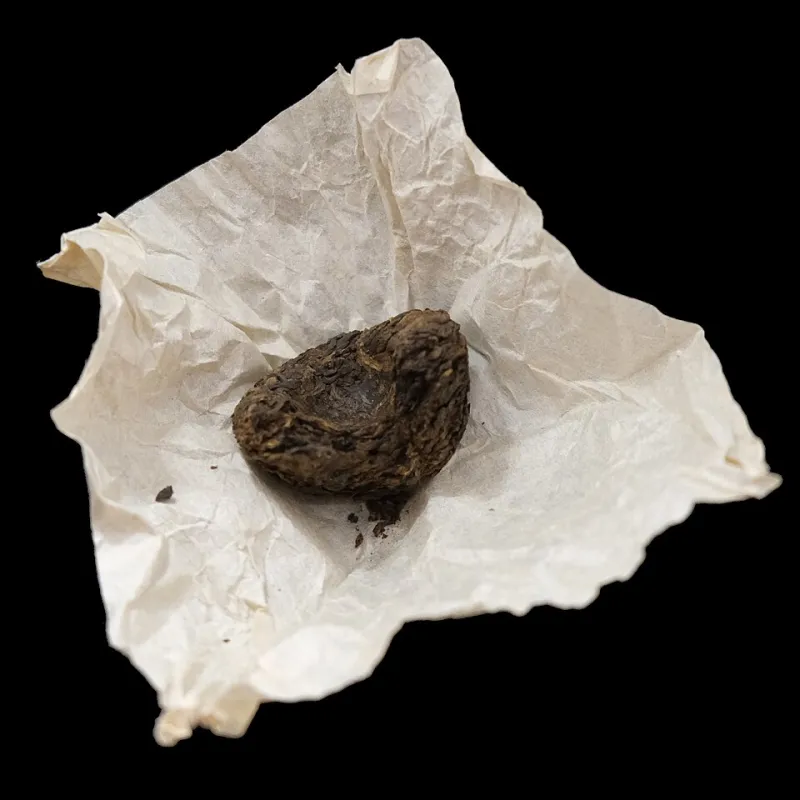
Photo: Ash Crow, CC BY-SA 4.0, via Wikimedia Commons
Here is an uncomfortable story that repeats itself in collector circles with quiet regularity. A buyer acquires a sought-after oolong—say, a competition-grade Dong Ding from a celebrated Taiwanese estate—at considerable expense. Lacking a clear plan, they treat it like a Bordeaux: sealed, shelved, and saved for a someday that arrives years later. When the tin is finally opened, the tea inside is a ghost of itself, its florals faded, its texture papery, its value incinerated.
The loss is not hypothetical. Collectors who have opened improperly stored tins describe writing off five-figure inventories in a single afternoon. And yet the practice continues, because the wine analogy is seductive—and, for most teas, wrong.
Not Every Leaf Wants to Wait
Tea aging is real, but it is narrow. Certain puer cakes, certain aged whites, some heavily roasted oolongs—these can genuinely improve over years or decades, developing depth that fresh leaf lacks. But the majority of the world's finest teas are crafted to be consumed at or near their peak, which for many delicate greens, whites, and high-mountain oolongs arrives within months of processing, not years.
Aging experts draw a blunt distinction: there is a difference between a tea that ages and a tea that merely survives. The first transforms; the second declines slowly enough that the collector mistakes the slide for maturation.
The Storage Problem Nobody Budgeted For
Even age-worthy teas punish casual storage. Heat, humidity swings, light, and ambient odors are the four horsemen of the tea cellar. A tin left near a kitchen spice rack will absorb its surroundings. A cake stored in a dry basement will stall; one in a humid one may mold.
A small wave of American startups has emerged to address this, offering climate-controlled tea storage, humidity-monitored canisters, and subscription vaults where collectors can cellar puer professionally. The technology is genuinely useful—for the teas that belong in it. The risk is that storage solutions create a category error: a $1,200 climate cabinet does not make a delicate Dan Cong age-worthy any more than a wine fridge turns a rosé into a cellaring project.
The Case for Drinking It
This is where opinion hardens into argument, and this publication's position is not neutral: most collectors would be better served by a philosophy of consumption than a philosophy of preservation. The money lost to spoiled tins in American private collections likely exceeds the money lost to any other collector mistake in the tea world.
Consider the arithmetic. A rare tea enjoyed at its peak delivers one hundred percent of its potential. The same tea cellared carelessly and consumed a decade later often delivers a fraction of that—and the collector has spent ten years without the experience they paid for. Drinking is not indulgence. It is completion of the purchase.
A reasonable middle path exists: segregate the collection. Identify the small share of holdings—pue, aged whites, charcoal-roasted oolongs—that genuinely reward patience, and store those properly, with documented humidity and temperature. Everything else gets a drinking window and a calendar reminder. A tin of exceptional spring oolong should be an appointment, not an heirloom.
A New Collector's Creed
The mature collector, in this view, holds two commitments at once: the discipline to store age-worthy teas correctly, and the courage to drink the rest. Rare tea is not a retirement account. It is a perishable masterpiece, and masterpieces are meant to be experienced while they still speak.
Open the tin. The someday you're saving it for may be a cup that no longer exists.