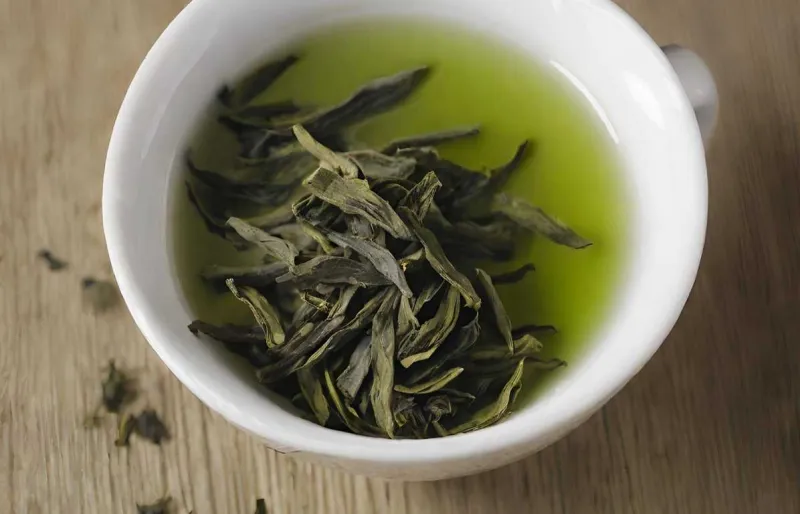
Beyond the Wine List: How Rare Teas Are Redefining the Fine Dining Table
For generations, the American fine dining tradition has centered its beverage program almost exclusively on wine. Sommeliers have built careers, and restaurants have invested fortunes, in curating cellars that speak to the complexity of a chef's vision. Yet a quiet revolution is underway in the country's most forward-thinking kitchens. At establishments from New York's Per Se to Los Angeles's n/naka, beverage directors are extending their pairing menus to include rare, single-origin teas — and the results are nothing short of transformative.
Tea, after all, possesses a sensory vocabulary that rivals the most celebrated Burgundy. Tannins, umami, floral aromatics, mineral undertones, and a finish that can linger for minutes — these are qualities that demand the same reverence a sommelier extends to a Premier Cru. The difference, as those in the know will attest, lies in understanding how to listen to what a tea is actually saying.
The Language of Terroir: Understanding What You're Pairing
Before a single cup is poured alongside a course, the discerning host must develop a working fluency in tea's terroir. Much like wine, the character of a premium tea is inseparable from its origin. A high-mountain oolong from Taiwan's Ali Shan region carries a creamy, orchid-like sweetness that differs entirely from a bold, malt-forward Assam grown in the river valleys of northeastern India. Each harvest, each elevation, each processing method contributes a distinct personality.
When approaching a pairing, consider three primary axes: weight, flavor affinity, and contrast. Weight refers to the body of the tea — a robust, full-bodied black tea carries sufficient presence to stand alongside rich, fatty preparations, while a gossamer white tea such as Silver Needle demands a more restrained culinary partner. Flavor affinity draws on complementary notes: the honey and stone-fruit characteristics of a Golden Monkey black tea, for instance, find natural harmony with a seared foie gras or a buttery brioche. Contrast, meanwhile, is the sommelier's secret weapon — deploying a brisk, astringent green tea to cut through the richness of a tempura course in the same way a crisp Chablis cleansers the palate.
A Course-by-Course Blueprint for the Elevated Table
The following pairings represent a distillation of recommendations gathered from culinary directors and beverage specialists at several of America's most celebrated fine dining establishments. They are offered not as rigid prescriptions, but as a point of departure for your own explorations.
Amuse-Bouche and First Courses: Delicate beginnings call for teas of equal refinement. A Japanese Gyokuro, shade-grown to intensify its chlorophyll-rich umami depth, pairs exquisitely with a chawanmushi custard or a single oyster served with a citrus mignonette. For lighter raw preparations — a yellowfin tuna crudo dressed with yuzu and microgreens — consider a high-grade Chinese Bi Luo Chun, whose grassy, slightly nutty profile provides a seamless bridge.
Seafood Courses: The middle courses of a seafood-forward tasting menu offer perhaps the most rewarding pairing opportunities. A lightly oxidized Taiwanese Baozhong oolong, with its jasmine-forward fragrance and pale golden liquor, elevates pan-seared scallops in a way that few wines can match without overwhelming the delicacy of the shellfish. For a butter-poached lobster preparation, look to a first-flush Darjeeling — the so-called "Champagne of teas" — whose muscatel character and bright acidity mirror the role of a fine sparkling wine.
Meat and Game: This is where the bold, structured teas earn their place at the table. A Yunnan Dian Hong, with its characteristic cocoa and dried-fruit depth, stands confidently alongside a dry-aged duck breast or a venison loin served with a juniper reduction. For the most assertive preparations — a slow-braised short rib glazed with miso and bone marrow — a heavily roasted Taiwanese Dong Ding oolong or a well-aged pu-erh from the Menghai region introduces layers of earthiness and complexity that can genuinely rival a mature Cabernet Sauvignon.
Cheese Service: The cheese course, long considered wine's exclusive domain, may in fact be where tea pairing delivers its most surprising pleasures. A smoky, pine-fired Lapsang Souchong alongside an aged Gruyère or a robust Comté is a revelation — the tea's resinous, campfire character amplifying the nutty sweetness of the cheese in ways that feel almost architectural. For softer, bloomy rinds such as a triple-cream Brie, a floral Silver Needle white tea provides a delicate counterpoint.
Dessert and Mignardises: The conclusion of a great meal deserves a tea of equal ceremony. A high-quality matcha whisked tableside alongside a dark chocolate ganache is a pairing of almost mathematical precision — the tea's vegetal bitterness acting as a foil to the chocolate's deep sweetness. For fruit-forward desserts, a lychee-scented Oriental Beauty oolong, with its natural honeyed sweetness, creates a seamless and utterly memorable finish.
Orchestrating the Experience at Home
For the host who wishes to bring this level of intention to a private dinner, a few practical considerations will ensure the experience feels as polished as any restaurant service. First, invest in proper brewing vessels — a thin-walled porcelain gaiwan or a cast-iron tetsubin are not merely decorative; they actively influence the temperature stability and flavor development of the tea. Second, pay attention to water quality. The minerals present in your water supply will interact with the tea's compounds; filtered or spring water at the appropriate temperature (never a rolling boil for green or white teas) is non-negotiable at this level.
Perhaps most importantly, consider the presentation. The act of pouring a rare tea at the table — noting its origin, its harvest season, the care taken in its processing — transforms a beverage into a conversation. At Million Dollar Tea, we believe that every extraordinary moment begins with that conversation. The rarest blends in the world are not merely drinks; they are invitations to pay attention.
A Note on Restaurant Reservations
For those seeking a guided introduction to tea pairing in a professional setting, several American establishments now offer dedicated tea pairing menus alongside their traditional wine programs. Inquire specifically with the beverage director when making your reservation — a request made in advance allows the team to source appropriately and tailor the experience to the specific menu. This small act of preparation signals the kind of engagement that invariably elevates the entire evening.
The wine list will always have its place at the fine dining table. But for those who seek the full spectrum of what a thoughtfully composed meal can offer, the rare tea selection has become an equally compelling chapter in that story.