The Rarest Cup: Inside the High-Stakes World of International Tea Auctions
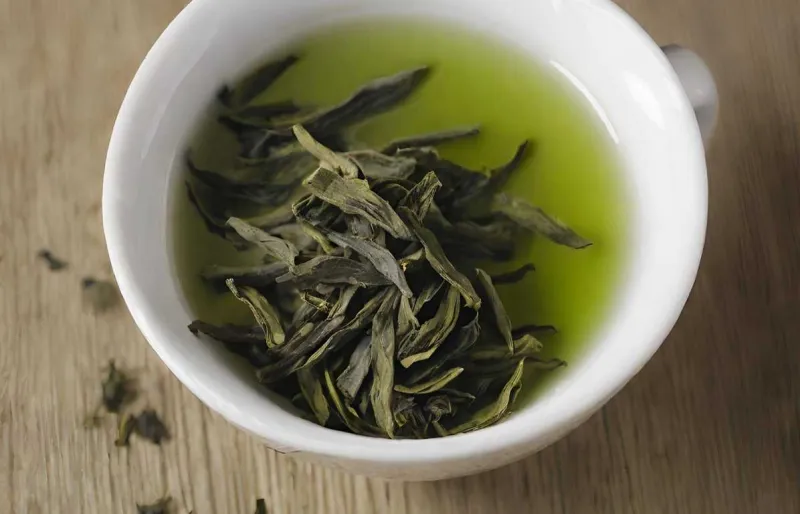
Photo: tea auction luxury rare tea leaves collection antique wooden box, via cdn.shopify.com
In May of 2023, a 500-gram lot of Da Hong Pao oolong — harvested from one of the six original mother bushes growing on the cliffs of Wuyi Mountain in China's Fujian province — sold at a private auction in Taipei for a sum that most American consumers would associate with a luxury automobile. The buyer, a collector based in San Francisco, had been tracking the lot for nearly eighteen months. He did not hesitate when the bidding opened.
This transaction, while exceptional in its specific drama, is no longer unusual in the world of premium tea acquisition. Across Asia and increasingly within the United States, a community of serious collectors, restaurateurs, and investment-minded enthusiasts has emerged — one that treats the rarest tea harvests with the same gravity and financial seriousness that previous generations reserved for first-growth Bordeaux or single-malt Scotch whisky.
The Anatomy of an Auction: Where the World's Finest Teas Change Hands
The most storied institutional tea auctions trace their origins to the British colonial trade. The Kolkata Tea Auction, established in 1861, remains one of the largest in the world by volume, processing millions of kilograms of Indian tea annually through a system that has evolved from physical trading floors to sophisticated electronic platforms. But it is the specialized auctions — smaller, more selective, and increasingly conducted through invitation-only channels — that capture the attention of serious collectors.
In Sri Lanka, the Colombo Tea Auction has developed dedicated sessions for single-estate and heritage-garden lots, where a particularly exceptional high-grown Ceylon from the Nuwara Eliya district can attract competitive bidding from buyers across three continents. Japan's domestic auction infrastructure, while less accessible to foreign participants, produces extraordinary lots of gyokuro and ceremonial-grade matcha that occasionally surface through licensed international intermediaries.
China, however, remains the most complex and consequential market. The country's auction ecosystem operates through a combination of government-sanctioned platforms, private dealer networks, and invitation-only events hosted by prestigious tea societies. The annual spring harvests — particularly the pre-Qingming pickings from Longjing, Biluochun, and the various Wuyi oolongs — generate bidding activity that can send prices for a single harvest to levels that genuinely astonish outsiders. In 2022, a 100-gram package of pre-Qingming West Lake Longjing from a single named garden in Hangzhou sold through a Hangzhou auction house for approximately $28,000 USD — a figure that received international press coverage and introduced the concept of tea as a luxury asset to a considerably wider American audience.
What Makes a Harvest Extraordinary
Understanding why certain teas command these prices requires an appreciation of the variables that conspire to produce greatness — and how rarely they align. The most consequential factor is terroir in its most literal sense: the specific combination of soil composition, elevation, microclimate, and surrounding ecosystem that defines a particular garden or growing region. The mother bushes of Da Hong Pao, for instance, are irreplaceable — there are exactly six of them, and the tea produced from their leaves cannot be replicated by any cultivation technique, however sophisticated.
Beyond geography, timing is everything. The pre-Qingming harvest in China (leaves picked before the Qingming Festival in early April) represents the first flush of the year, when the tea plant has concentrated its energy through the winter months into the smallest, most nutrient-dense buds. This window can last as few as seven to ten days, and the quantity of tea that can be harvested and processed within that period is by definition finite. A late spring frost, an unexpected rain, or a shift in the labor availability of skilled hand-pickers can reduce a coveted harvest to a fraction of its anticipated volume — and drive auction prices accordingly.
Processing mastery constitutes the third pillar of extraordinary value. The most celebrated tea masters in China, Taiwan, and Japan are artisans of generational standing, and their specific touch — the precise degree of oxidation, the timing and temperature of each firing, the hand-rolling technique applied to a high-mountain oolong — imparts a character to the finished tea that cannot be systematized or replicated. Collectors actively track the work of named masters, and lots attributed to a particular artisan's workshop carry a premium that reflects both the quality and the cultural provenance of the work.
Profiles in Connoisseurship: American Collectors in the Market
The American presence in elite tea collecting remains relatively nascent compared to the established collector communities in Taiwan, Hong Kong, and Japan, but it is growing with notable momentum. Several factors have accelerated this shift: the expansion of specialty tea retail in major US cities, the influence of food and beverage media in elevating tea's cultural profile, and the broader consumer movement toward premium, artisanal products as expressions of identity and discernment.
Among the most active American participants is a cohort of tech-industry professionals and finance executives on the West Coast who have developed serious collecting practices over the past decade. Many began as casual enthusiasts who encountered aged pu-erh tea through travel to Asia or through relationships with specialty importers, and found themselves drawn into the investment logic that surrounds this particular category. Unlike most consumable luxury goods, aged pu-erh tea — properly stored raw (sheng) cakes from reputable factories or named artisan producers — has demonstrated a consistent pattern of appreciation over time, with well-documented examples increasing in value by multiples over periods of fifteen to thirty years.
On the East Coast, a smaller but equally passionate community has coalesced around Taiwanese high-mountain oolongs and Japanese ceremonial teas. Several members of this community participate in annual buying trips to Taiwan's spring tea competitions, where the top-awarded lots are subsequently auctioned to registered bidders — a process that combines the excitement of a live auction with the cultural pageantry of a centuries-old tradition.
How US-Based Enthusiasts Can Enter the Market
For those in the United States who wish to engage with this world — whether as serious collectors or as discerning consumers seeking access to genuinely exceptional teas — several pathways exist. The most accessible entry point is through established specialty importers who maintain direct relationships with auction houses and estate producers in Asia. These intermediaries attend the major auctions on behalf of their clients, provide detailed lot documentation, and offer the kind of provenance transparency that serious buyers require.
A small number of US-based platforms have also begun facilitating access to international tea auction lots, though due diligence is essential — the premium tea market, like any market for luxury goods, has attracted its share of misrepresentation and counterfeit product. Seeking out importers with verifiable relationships, documented chain-of-custody records, and a reputation built over years of transparent practice is the appropriate standard.
For those prepared to invest at a higher level, attending the spring competitions in Taiwan or the auction events in China's major tea-producing regions provides an irreplaceable education — and the occasional opportunity to acquire something genuinely extraordinary. At Million Dollar Tea, we exist precisely at this intersection: the rare, the verified, and the exceptional. The world's finest harvests deserve nothing less than the most informed and passionate stewardship.