The Fifth Room: Designing a Home Tea Salon Worthy of the Collection
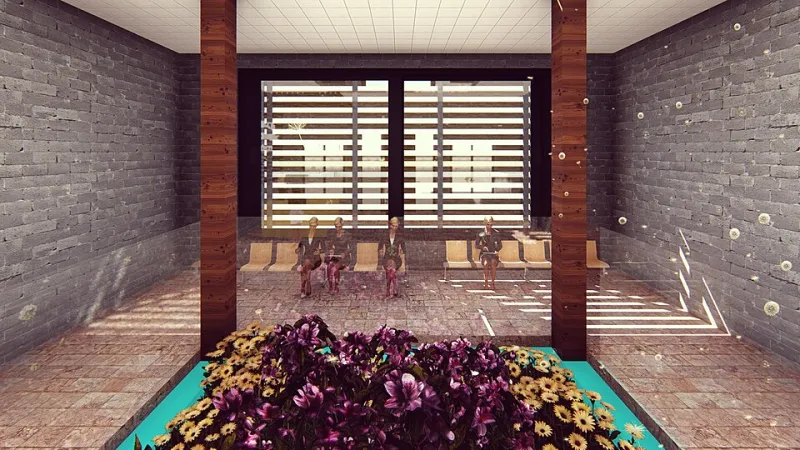
Photo: Muhyuddin, CC BY-SA 4.0, via Wikimedia Commons
A wine cellar is designed around a single variable: temperature. A tea room is harder. It must manage light, humidity, odor, water chemistry, sound, and the movement of people through a ritual that lasts longer than a meal. It is, in this respect, closer to a studio than to a storage room — and the homeowners who build one well tend to be those who understand that distinction before the drawings are approved.
A Room With a Job to Do
The modern American tea salon serves three functions that are frequently in tension. It is a display case for a collection that may be worth more than the furniture. It is a working space in which water is boiled, leaf is measured, and several rounds are brewed in sequence. And it is a hosting room, intimate by design and usually seating no more than six.
Designs that fail almost always privilege one function and ignore the other two. The result is a beautiful room in which tea cannot properly be made, or a functionally excellent room that no one wants to sit in.
Light Before Leaf
Light is the first consideration and the most commonly misjudged. Ultraviolet exposure degrades leaf, fading aroma and flattening the cup over months rather than years. A tea salon should be lit with warm, dimmable, low-UV sources — 2700K to 3000K is the usual specification — and should not receive direct southern or western sun at any hour the room is in use.
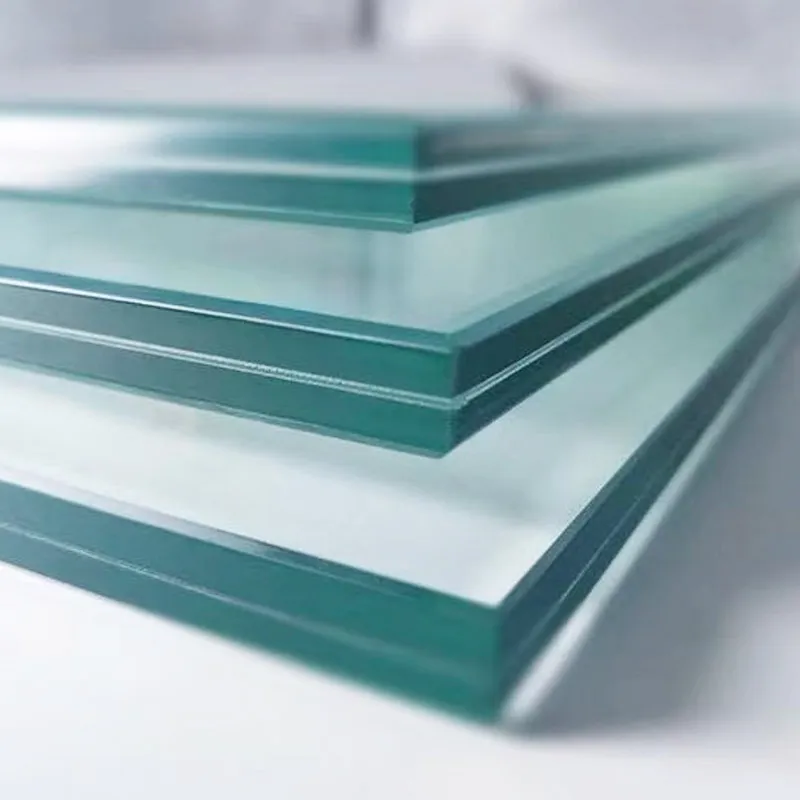
Where daylight is desirable, specify laminated glass or aUV-filtering film, and treat any display shelving facing a window as a design error to be corrected rather than a compromise to be accepted. For closable storage, near-total darkness is the standard worth meeting.
The Problem of Scent
Tea absorbs what surrounds it. A room that shares an air handler with a kitchen, a scented candle habit, or a freshly finished hardwood floor is a room that will quietly alter the contents of every tin in it.
Serious builds specify a dedicated HVAC zone with independent filtration and, ideally, a small amount of outside air exchange control. Finished materials should be chosen for low off-gassing: sealed stone, glass, metal, and well-cured woods rather than freshly stained millwork. No reed diffusers, no scented candles, no floral arrangements in the storage zone — a rule that guests find eccentric until they taste the difference.
Water Is Infrastructure
The most overlooked system in a home tea salon is the one behind the wall. Municipal water in most American cities is heavily mineralized and chlorinated, and no amount of expensive leaf compensates for it.
A proper installation includes a dedicated supply line with carbon filtration and, for most households, reverse osmosis paired with a remineralization cartridge so the finished water retains the trace minerals that give tea body. A small undercounter chiller and a point-of-use heater are worth the cost; drawing and reheating water repeatedly through a kettle is the quiet ruin of many otherwise excellent sessions.
Storage as Display
Collectors generally converge on a version of the same answer: display a fraction, store the rest, and never confuse the two.
Rare and aged teas belong in closed cabinetry at stable humidity — roughly 50 to 60 percent relative humidity is a sensible target for most oolongs and aged pu-erh, with tighter control for delicate greens and whites that are best kept cold and consumed young. Glass-fronted cases suit the display pieces, particularly if the glass is UV-filtered and the interior lighting is LED on a short-timer.
A small refrigerator dedicated to green and white teas, set a few degrees warmer than a kitchen unit and kept free of food, is now standard in serious builds.
Furniture, Height, and the Body
A tea table should be lower than a dining table and higher than a coffee table — typically 26 to 30 inches for Western seating, considerably lower for floor seating. Chairs should permit an upright posture without armrests that catch on the table edge during pouring.
Surface material matters more than style. Stone, glass, and sealed hardwood tolerate heat and spills; untreated wood and lacquer do not. A recessed or adjacent drainage point for a waste-water bowl is a small detail that transforms daily use.
Acoustics and the Quiet Hour
The ritual depends on quiet, and quiet is an acoustic property, not an aspiration. Hard surfaces throughout will produce a room that amplifies every clink of porcelain. A rug, upholstered seating, and curtains or acoustic paneling behind the principal seating position will do most of the work.
Avoid open-plan placement. A tea salon that shares air and sound with a great room is not a tea salon.
The Mistakes That Show Up Later
- Placing the collection on open shelving in a bright room, then discovering the loss a season later.
- Sharing an air handler with the kitchen.
- Specifying a decorative kettle rather than a temperature-controlled one.
- Forgetting drainage and ventilation for the actual work of brewing.
- Building for twelve guests when the room functions best at four.
- Treating the room as a display object rather than a working space used weekly.
Building for the Next Thirty Years
The most successful home tea salons are unassuming. They tend to be smaller than expected, dimmer than expected, and quieter than expected, and their owners use them constantly.
The collection will change over time; the light, the water, and the air will not. Get those three right, and the room will remain worthy of whatever it holds.